AI + INDUSTRIAL SAFETY · INDUSTRIAL
AI + Industrial Safety
The cameras are already installed — but no one can watch them around the clock.
From day one our agent flags missing hard hats, hi-vis vests and other violations — no training data required.
Over 12 weeks accuracy climbs from 75% to 96%, reading night-shift low-light scenes too.
This is one example agent we built.View the other showcase →
One frame, two kinds of agent
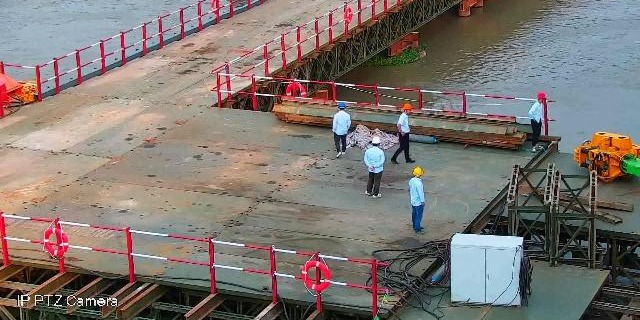
Eyes on screens can't keep up
20 camera feeds, three shifts — the loading bay at 2 a.m. and the charging-room blind spots are more than any patrol can cover.
Traditional methods restart for every site
Traditional methods need 10,000+ hand-labeled photos to train. A new site means re-labeling from scratch — and in low light, 45 of 48 violations went completely undetected.
Every site from zero
Collect, label, train, tune, deploy — a new site typically takes 8–12 weeks. Experience doesn't carry over and cost grows linearly.
From 75% to 96%: 12 weeks of change
No training data needed — it detects from day one. After that it keeps learning from your on-site data, covering low light, occlusion and new violation types week by week.
75.2%
Accuracy
3
Violation types
Detecting from day one, no training data
The AI goes live directly, detecting hard hats, hi-vis vests and restricted-area entry — three baseline violations — without any pre-labeled data.
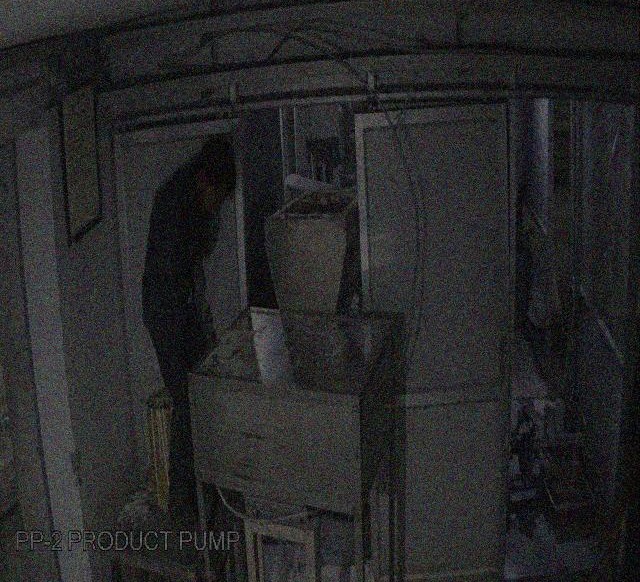
88.4%
Accuracy
7
Violation types
Learned night-shift low light, misses to zero
The agent learns night-shift low-light scenes from on-site data and adjusts its detection strategy. Frames that were previously undetectable are now caught at 93% confidence.

95.8%
Accuracy
9
Violation types
All 6 workers detected under complex lighting
Covers 9 violation types including hard hats, hi-vis vests, restricted-area entry, distracted walking and harness use. Under complex lighting all 6 workers are identified, with the one missing a hard hat flagged precisely.
Based on POC measurements
Real image degradation, measured frames
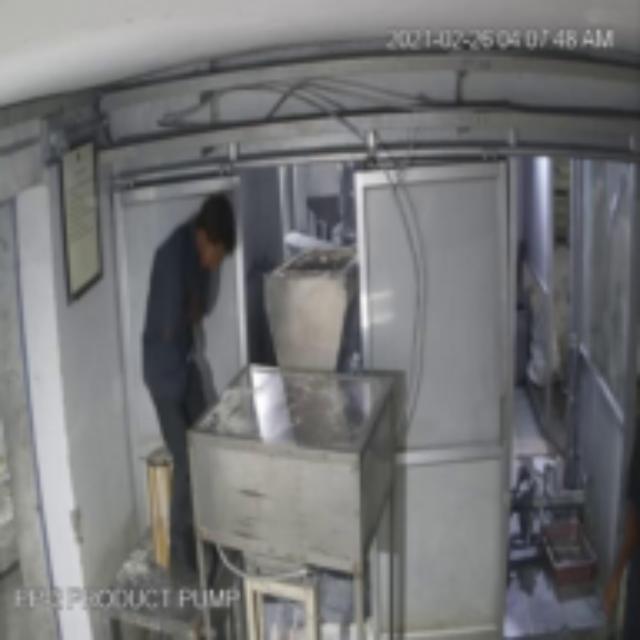
Low light, blur, distance — once the image detail traditional methods rely on is gone, AI vision still reads the whole scene.
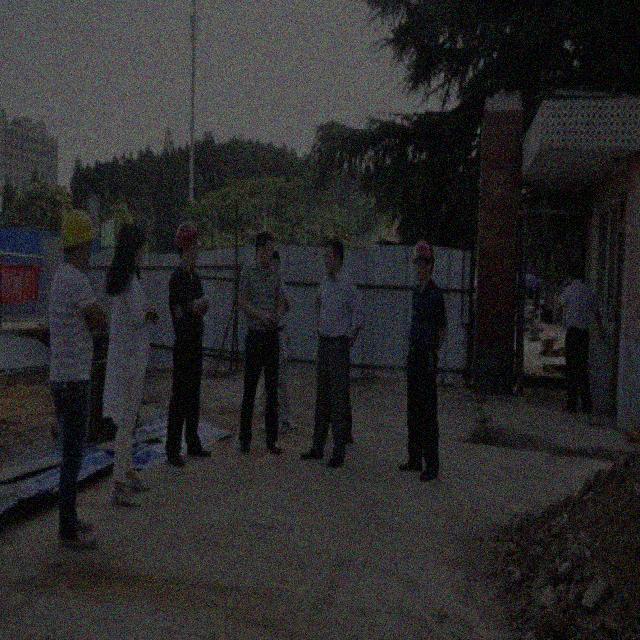 LOW-LIGHT + NOISE
Low light + noise
4 a.m. — sensor noise swallows every edge detail.
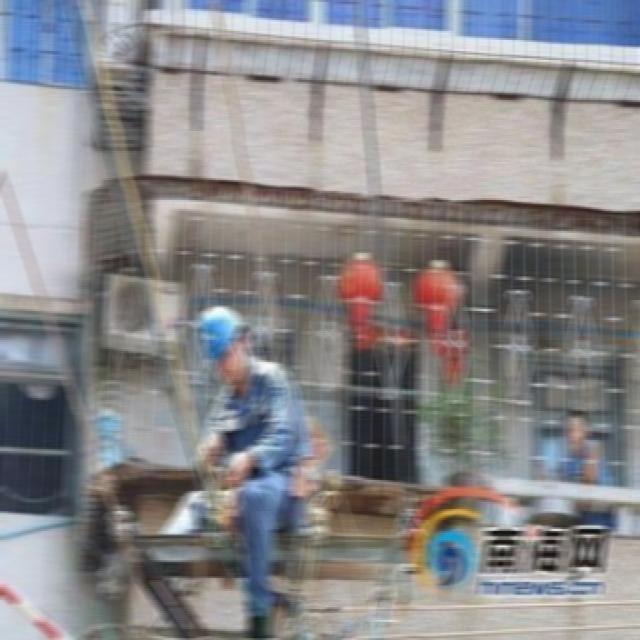 MOTION BLUR
Motion blur
Worker in motion — the hard-hat outline smears away.
 LOW-RES / DISTANCE
Low resolution
Distant overhead view — each worker is only tens of pixels.
The worse the image, the bigger the gap
When the image is clear the two are close — as quality degrades the gap snaps open.
45 / 48
Among low-light violation cases, the traditional method missed 45 entirely. Our AI holds 94% accuracy under the same conditions.
Zero-shot VLM vs traditional CV
Same warehouse scene, same cameras — measured data from both approaches, side by side.
Traditional CV (YOLO)
Zero-shot VLM
Training data
13,782 labeled images
0 (zero-shot)
Hard-hat detection F1
0.91
0.92
Low-light F1
0.53
0.94
Explainability
Confidence score
Natural-language rationale
Deployment
Local GPU training + inference
API call (on-prem capable)
New-site rollout
8–12 weeks
Usable day one
Deployable, compliant, predictable cost
The key facts for procurement and IT.
On-prem deployment
On-prem or private-cloud deployment — data never leaves the site. AI inference runs through compliant in-country channels, with full model control.
Compliant data, controllable access
Fine-grained permissions and approvals, auditable actions, isolatable sensitive data. Video streams are never written to disk — only detection results are kept.
Reuses existing infrastructure
Connects to your existing MES / monitoring / alerting, reusing current cameras and network — no hardware swap.
Cost falls with use
Smart scheduling cuts inference cost; as detection strategy improves, false alarms and manual load keep dropping, so unit cost falls month over month.
Go live → build experience → keep improving
Go live
Connect to on-site cameras — no training data, 3–5 violation types detected from day one.
Build experience
Detection results and the AI's rationale are collected automatically, building a dataset specific to the site.
Keep improving
The system spots miss patterns and adjusts strategy on its own; accuracy and coverage climb week over week.
Want to see how it evolves on your site?
We can arrange a solution walkthrough and POC against your on-site environment and systems.